



Cartridge Heater Supplier for High-Performance Heating Solutions

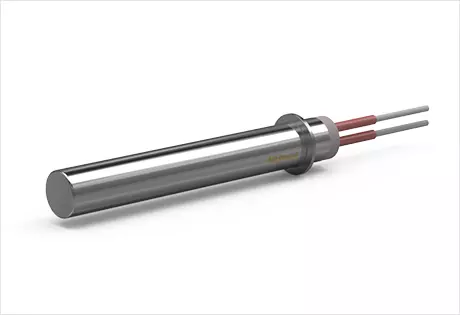
Choosing the right Cartridge Heater Supplier is one of the fastest waysto improve temperature stabilty. reduce unplanned downtie, andextend heater life-without redesigning your entire machine. High-performance heating is not only about reaching atarget temperature. It’sabout achieving repeatable resuts under real production conditions:tight bores, high watt densites, rapid cycling. vibration. humidity. anddemanding quality requirements. A capable supplier contributes engineering input consistent manufacturing. verfed testing. and reliabledelivery so your heating system performs the same way every day, across every reorder.
1.What “High-Performance” Means for Cartridge Heaters
High-performance cartridge heating usually means four outcomes: uniform heat delivery to the load. stable temperature control longservice lfe, and safe electrical operation with margin. Two cartridge heaters may share the same diameter. length. voltage, and wattage. yetbehave very differently in the feld because of bore fit, internal construction. compaction quality.and how heat is removed by the applicationThat’s why supplier capability matters as much as the heater design itself The best Cartridge Heater Suppler doesn’tjust manufacture to adrawing-they help you select realistic watt density. reduce hotspots. specify the right materials, and validate quality with consistent test
standards. Over time, this approach lowers total cost of ownership by reducing failures and simplifying maintenance.
2.Engineering Capability: Designing for Real Operating ConditionsApplication Review and Thermal Guidance
A high-performance supplier starts by understanding your operating conditions. They ask how the heater is installed, what materialit heatshow heat is dissipated. and what yourduty cycle looks like. This information is essential for selecting watt density and preventing sheathoverheating-one of the most common causes of early falure.A good suppler wll recommend bore ht strategy. insertion practices, andthermal interface improvements that reduce operating stress without sacrificing heat-up speed.Engineering guidance should also incude practical troubleshooting prevention how to avoid lead overheating. howto place sensors torstable control, and how to reduce temperature overshootin fast-cycling proceses. When your supp lier can explan thesetrade-ofts clearly.you are far more likely to get a heater that performs reliably in production.